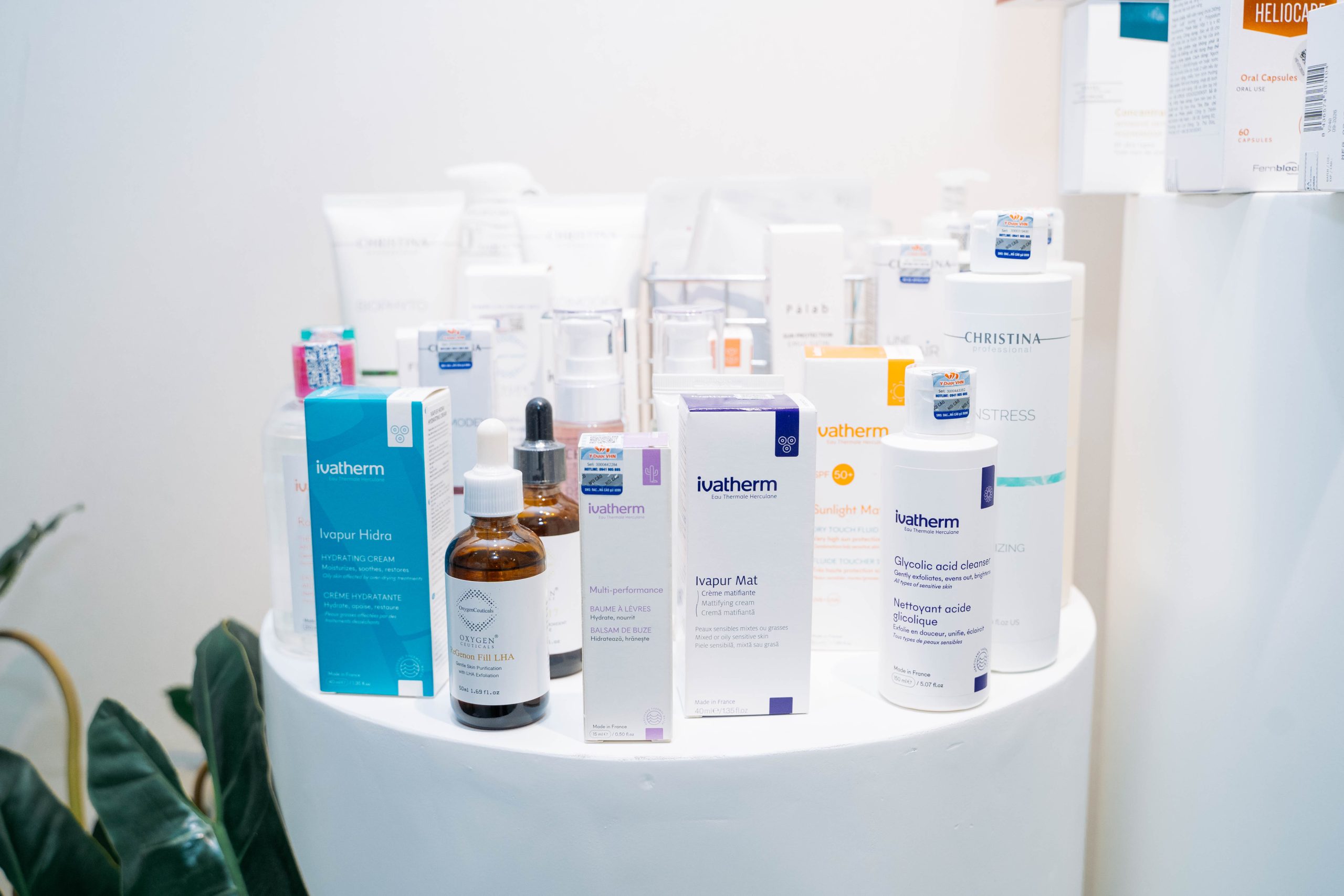
1. What is cosmetic allergy?
Cosmetic allergy is a condition where the skin reacts negatively to ingredients in skincare or makeup products, causing symptoms such as redness, itching, burning, skin peeling, and prolonged irritation. This is a fairly common phenomenon, but if not handled correctly, it can make the skin weaker and more sensitive.
2. Causes of cosmetic allergy
- Using a new product without patch testing it on a small area of skin beforehand
- Using many types of cosmetics simultaneously, such as foundation, serum, sunscreen, etc.
- Using products containing strong fragrances, alcohol, or preservatives when the skin is already weak
3. Signs of cosmetic allergy
You may be experiencing a cosmetic allergy if you encounter the following signs:
- Redness, itching, burning sensation, or stinging on the skin
- Rough skin, tiny blisters, or raised red bumps
- Peeling, dry and tight skin, or oozing
- Skin that is more sensitive and weaker than usual
Note: Skin allergy is different from mild irritation or “purging” (acne breakout). If symptoms worsen or last longer than 72 hours, you should stop using the product immediately.
4. What NOT to do when your skin is allergic to cosmetics
- Do not arbitrarily apply mixed creams or corticosteroids as they can thin the skin and cause fungal infections
- Avoid multi-step skincare routines that can overwhelm the skin and cause further irritation
- Do not use facial cleansers with beads or exfoliants
- Do not wear makeup or try new products until your skin has recovered
5. How to restore skin after cosmetic allergy
5.1 Stop using suspected allergenic products
Immediately stop using recently introduced products and return to a basic skincare routine, including gentle cleansing, moisturizing, and skin repair.
5.2 Proper skin cleansing
- Use a sulfate-free, fragrance-free, and alcohol-free facial cleanser
- Wash your face with cool water, pat dry gently, avoid harsh rubbing
- Avoid using alcohol-based toners
5.3 Moisturize and restore with gentle products
Prioritize products containing:
- Panthenol to help soothe and provide mild anti-inflammatory effects
- Ceramide to strengthen the skin’s protective barrier
- Aloe Vera, Glycerin, small molecular Hyaluronic Acid for gentle hydration
Suggestion: Choose a gel-type restorative cream, free of mineral oil and fragrances to avoid clogging the skin.
5.4 Limit exposure to polluted environments and sun
- Protect from the sun with a gentle physical sunscreen, SPF 30 or higher
- Do not go to a spa for steaming or exfoliation while your skin is damaged
- Avoid exposure to dusty, hot, and dry environments
5.5 Examination and intensive restoration at Skin Lab By K
If the allergy is severe or recurs frequently, visit Skin Lab By K for:
- Skin analysis and identification of the allergy cause
- Development of a personalized skin restoration routine
- Specialized treatment regimen
6. Can skin allergic to cosmetics recover?
Skin can fully recover if you:
- Stop using irritating products in time
- Apply a correct and gentle restoration routine
- Persistently care for at least 2-4 weeks
- Understand what your skin needs and avoid unnecessary factors
7. Conclusion
Cosmetic allergy is not a concern if you know how to handle it correctly with the principle:
“Less is more” – Simple, gentle, and patient restoration.








Add comment